44 r factor levels labels
R语言中分类变量(factor)、水平(level)的修改与转换 LiuJason'sBlog 因子函数factor用下面的选项创建一个因子:. factor (x, levels = sort (unique (x), na.last = TRUE), labels = levels, exclude = NA, ordered = is.ordered (x)) 其中x是数据,levels是因子水平向量,labels是因子的. 标签向量。. 1、 创建一个因子。. > colour <- c ('G', 'G', 'R', 'Y', 'G', 'Y', 'Y', 'R', 'Y')> colour. [1] "G" "G" "R" "Y" "G" "Y" "Y" "R" "Y". R Factor and Factor Levels: How to Create Factors in R Generating Factor Levels in R To generate factor levels, use the gl () function. The gl () function takes two integers as an input, which indicates how many levels and how many times each level. Syntax gl (n, k, labels) Parameters The following is the description of the parameters used: n parameter is the integer giving the number of levels.
as_factor : Convert variable into factor and keep value labels as_label, however, converts a vector into a factor and uses value labels as factor levels. Value. A factor, including variable and value labels. If x is a data frame, ...

R factor levels labels
r - Confusion between factor levels and factor labels ... Very short : levels are the input, labels are the output in the factor () function. A factor has only a level attribute, which is set by the labels argument in the factor () function. This is different from the concept of labels in statistical packages like SPSS, and can be confusing in the beginning. What you do in this line of code R Factors and Factor Levels (With Examples) Here, we can see that factor x has four elements and two levels. We can check if a variable is a factor or not using class () function. Similarly, levels of a factor can be checked using the levels () function. > class (x) [1] "factor" > levels (x) [1] "married" "single" How to create a factor in R? How to Rename Factor Levels in R using levels() and dplyr That is, you will end up with only a single factor level and NA scores. Not that good. Note, if you are planning on carrying out regression analysis and still want to use your categorical variables, you can at this point create dummy variables in R. Example 3: Rename Factor Levels in R with dplyr's recode_factor()
R factor levels labels. R Error in `levels<-`(`*tmp*`, value = as.character ... I'm Joachim Schork. On this website, I provide statistics tutorials as well as code in Python and R programming. FACTOR in R [CREATE, CHANGE LABELS and CONVERT data] factor(x = character(), # Input vector data levels, # Input of unique x values (optional) labels = levels, # Output labels for the levels (optional) exclude = NA, # Values to be excluded from levels ordered = is.ordered(x), # Whether the input levels are ordered as given or not nmax = NA) # Maximum number of levels Factor Levels in R - DataCamp Community Ordered factors. Since "Male" and "Female" are unordered (or nominal) factor levels, R returns a warning message, telling you that the greater than operator is not meaningful. As seen before, R attaches an equal value to the levels for such factors. But this is not always the case! Sometimes you will also deal with factors that do have a natural ordering between its categories. [R기초] 팩터(Factor) - 집단 [R기초] 팩터 (Factor) - 집단 훈데이텀 2018. 3. 22. 21:03 -목차- 1. 팩터 (Factor) - 집단 (1) 팩터 생성 (To make Factor ) (2) 속성 (attributes) 1. 팩터 (Factor) - 집단 # 하나의 열 (Column)로 구성됨, 1차원 구조 # 집단 = 그룹 = 카테고리로 인식. (vector과 차이점) (1) 팩터 생성 (To make Factor ) factor (vector, labels = , levels = , ordered = )
【R言語の備忘録】因子型(factor)の取り扱い方【順序】 | 世のため自分のためのアウトプット factor型のベクトルを作る. 以下のように、factorでくくるとfactor型のベクトルを作れます。. > tmp <- factor ( c ("a","b","a","c","c","b","a")) > tmp [1] a b a c c b a Levels: a b c. Copy. factor型は上記のように作成した時のlevelsで表記される値しか格納できません。. なので上記にはないdを追加しようとするとエラーになります。. How to Reorder Factor Levels in R (With Examples) - Statology How to Reorder Factor Levels in R (With Examples) Occasionally you may want to re-order the levels of some factor variable in R. Fortunately this is easy to do using the following syntax: factor_variable <- factor(factor_variable, levels=c ('this', 'that', 'those', ...)) The following example show how to use this function in practice. 14. データハンドリング [基礎編: factor型] | 私たちのR: ベストプラクティスの探究 numeric型をラベル付きのfactor型にするためには、levels引数には元の数値を、labels引数にはそれぞれの数値に対応したラベルを指定します。また、関東の方を先に出したいので、factor()内のlevels引数はc(0, 1)でなく、c(1, 0)にします。 ¿Cómo cambiar levels y labels para una variable en R? 1. Esta respuesta no es útil. Mostrar actividad de esta publicación. La forma básica de modificar las etiquetas de cualquier factor es mediante levels (), pero no como lo estás haciendo sino así: > df <- data.frame (sexo=sample (c ("H","M"),10, replace = TRUE)) > str (df) 'data.frame': 10 obs. of 1 variable: $ sexo: Factor w/ 2 levels "H ...
How to Change the Levels of a Factor in R - ProgrammingR We want to rename factor levels in r so they are easier to understand. Let's take look at their values: # look at factor levels in r for wool > levels (warpbreaks$wool) [1] "A" "B" # look at factor levels in r for tension > levels (warpbreaks$tension) [1] "L" "M" "H" 【R】factor型について(1)_Levels:・・・って? - 一所懸命に手抜きする # Sample11 > (fc <-factor (c ("5", "2", "3", "4"))) [1] 5 2 3 4 Levels: 2 3 4 5 > fc [1] [1] 5 Levels: 2 3 4 5 > (nm <-as.numeric (fc)) [1] 4 1 2 3 > nm [1] [1] 4 5だった要素が4になるなど数値が変わっています。 R - 因子型(Factor型) - TauStation invalid factor level, NA generated > y [4] <-"sun" > > y [1] sun < NA > < NA > sun . Levels: sun. またlevelsで指定した以外のラベルを指定するとNAとなり、最初の要素は無視され、その後追加しようとした要素はNAとして保存される。 ... Changing the order of levels of a factor - Cookbook for R Changing the order of levels of a factor Problem. You want to change the order in which the levels of a factor appear. Solution. Factors in R come in two varieties: ordered and unordered, e.g., {small, medium, large} and {pen, brush, pencil}.For most analyses, it will not matter whether a factor is ordered or unordered.
r - ggplot2 boxplot medians aren't plotting as expected - Stack Overflow
15.10 Changing the Names of Factor Levels | R Graphics ... For a more traditional (and clunky) base R method for renaming factor levels, use the levels()<-function: sizes <- factor ( c ( "small" , "large" , "large" , "small" , "medium" )) # Index into the levels and rename each one levels (sizes)[ levels (sizes) == "large" ] <- "L" levels (sizes)[ levels (sizes) == "medium" ] <- "M" levels (sizes)[ levels (sizes) == "small" ] <- "S" sizes #> [1] S L L S M #> Levels: L M S

Different components with retention factor (R f ) values of the E.... | Download Scientific Diagram
Quick-R: Value Labels You can use the factor function to create your own value labels. # variable v1 is coded 1, 2 or 3 # we want to attach value labels 1=red, 2=blue, 3=green mydata$v1 <- factor(mydata$v1, levels = c(1,2,3), labels = c("red", "blue", "green")) # variable y is coded 1, 3 or 5 # we want to attach value labels 1=Low, 3=Medium, 5=High
Change the default order of labels of factor in R | Edureka Community
Convert variable into factor with associated value labels ... For instance, if you have a Gender variable with 0/1 value, and associated labels are male/female, this function would convert all 0 to male and all 1 to female and returns the new variable as factor. as_character () does the same as as_label (), but returns a character vector. as_character(x, ...) to_character(x, ...)

Combining automatically factor levels in R | R-bloggers
R 因子 | 菜鸟教程 - runoob.com R 语言创建因子使用 factor () 函数,向量作为输入参数。. factor () 函数语法格式:. factor (x = character (), levels, labels = levels, exclude = NA, ordered = is.ordered (x), nmax = NA) 参数说明:. x:向量。. levels:指定各水平值, 不指定时由x的不同值来求得。. labels:水平的标签, 不指定时用各水平值的对应字符串。. exclude:排除的字符。. ordered:逻辑值,用于指定水平是否有序。.
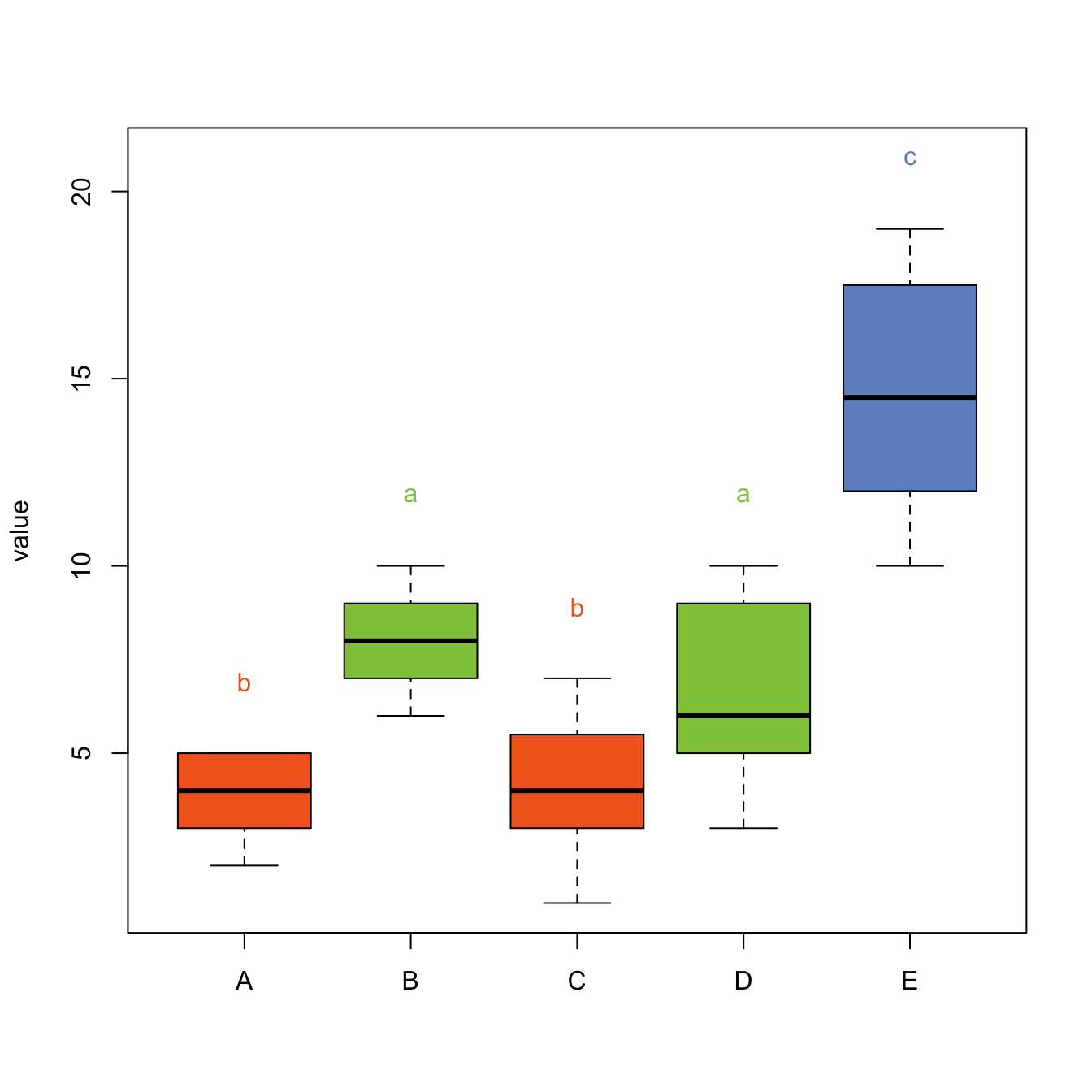
Tukey Test and boxplot in R – the R Graph Gallery
Levels in R: What are the Factor Levels - R-Lang The levels () is an inbuilt R function that provides access to the levels attribute. The first form returns the value of the levels of its argument, and the second sets the attribute. You can assign the individual levels using the gl () function. When you first get a dataset, you will usually notice that it contains particular factor levels.

http://www.mun.ca/biology/scarr/Critical_values_for_r.gif
Renaming levels of a factor - Cookbook for R If there is a change in the number or positions of # factor levels, then this can result in wrong data. # Rename by index in levels list: change third item, "gamma", to "three". levels ( x )[ 3 ] <- "three" x #> [1] alpha two three alpha two #> Levels: alpha two three # Rename all levels levels ( x ) <- c ( "one" , "two" , "three" ) x #> [1] one two three one two #> Levels: one two three

How to Group Factor Levels in R (Example) | Combine into Same Category
How to Rename Factor Levels in R (With Examples) - Statology There are two methods you can use to rename factor levels in R: Method 1: Use levels() from Base R. levels(df$col_name) <- c(' new_name1 ', ' new_name2 ', ' new_name3 ') Method 2: Use recode() from dplyr package

Getting Started with R - Part 7: Factors - Levels and Labels You can set the levels labels after constructing a factor. This would be similar to passing in the labels parameter. We can pass a full new vector or just labels the labels of the levels selectively. Let us just change factor label 1 from "Jack" to "Mr. Prelutsky". levels(repeat_factor_labeled) [1] <- "Mr. Prelutsky" repeat_factor_labeled

r - ggplot2 binwidth not responding in facet_wrap histogram plot - Stack Overflow
Rの並び替えをfactorのlevelsで制御する - まずは蝋の翼から。 概要 問題. Rで列の並び順を固定したい. 解決方法. factorを用いてfactor型に変換し、その際にlevelを指定する。. 実践. データを読み込む. library (tidyverse) library (tidylog) df_iris = iris %>% tibble %>% select (species = Species, sepal_length = Sepal.Length, sepal_width = Sepal.Width, petal_length = Petal.Length, petal_width = Petal.Width ...
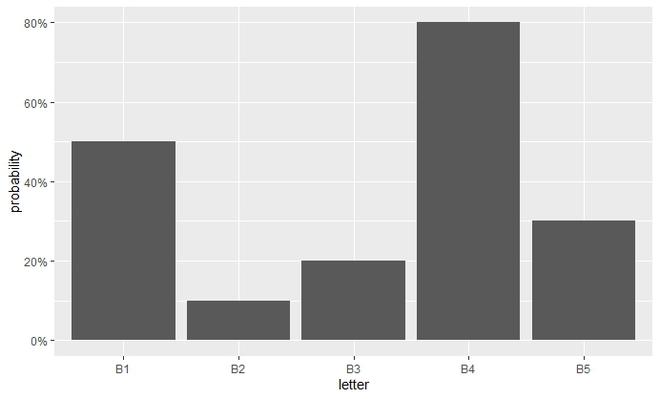
Change Y-Axis to Percentage Points in ggplot2 Barplot in R - GeeksforGeeks
Removing Levels from a Factor in R Programming ... Get the Number of Levels of a Factor in R Programming - nlevels() Function. 06, Jun 20. Checking if the Object is a Factor in R Programming - is.factor() Function. 27, May 20. Convert a Vector into Factor in R Programming - as.factor() Function.

【R语言】R中的因子(factor) - 知乎 R 语言创建因子使用 factor () 函数,向量作为输入参数。 factor () 函数语法格式: factor (x = character (), levels, labels = levels, exclude = NA, ordered = is.ordered (x), nmax = NA) 参数说明: x:向量。 levels:指定各水平值, 不指定时由x的不同值来求得。 labels:水平的标签, 不指定时用各水平值的对应字符串。 exclude:排除的字符。 ordered:逻辑值,用于指定水平是否有序。 nmax:水平的上限数量。 以下实例把字符型向量转换成因子:

R Factor - Learn the complete process from Creation to Modification! - DataFlair
How to Rename Factor Levels in R using levels() and dplyr That is, you will end up with only a single factor level and NA scores. Not that good. Note, if you are planning on carrying out regression analysis and still want to use your categorical variables, you can at this point create dummy variables in R. Example 3: Rename Factor Levels in R with dplyr's recode_factor()

r - Which variables to drop in factor analysis - Stack Overflow
R Factors and Factor Levels (With Examples) Here, we can see that factor x has four elements and two levels. We can check if a variable is a factor or not using class () function. Similarly, levels of a factor can be checked using the levels () function. > class (x) [1] "factor" > levels (x) [1] "married" "single" How to create a factor in R?

Factor Analysis in R
r - Confusion between factor levels and factor labels ... Very short : levels are the input, labels are the output in the factor () function. A factor has only a level attribute, which is set by the labels argument in the factor () function. This is different from the concept of labels in statistical packages like SPSS, and can be confusing in the beginning. What you do in this line of code

用R画GO注释二级分类统计图 - 简书
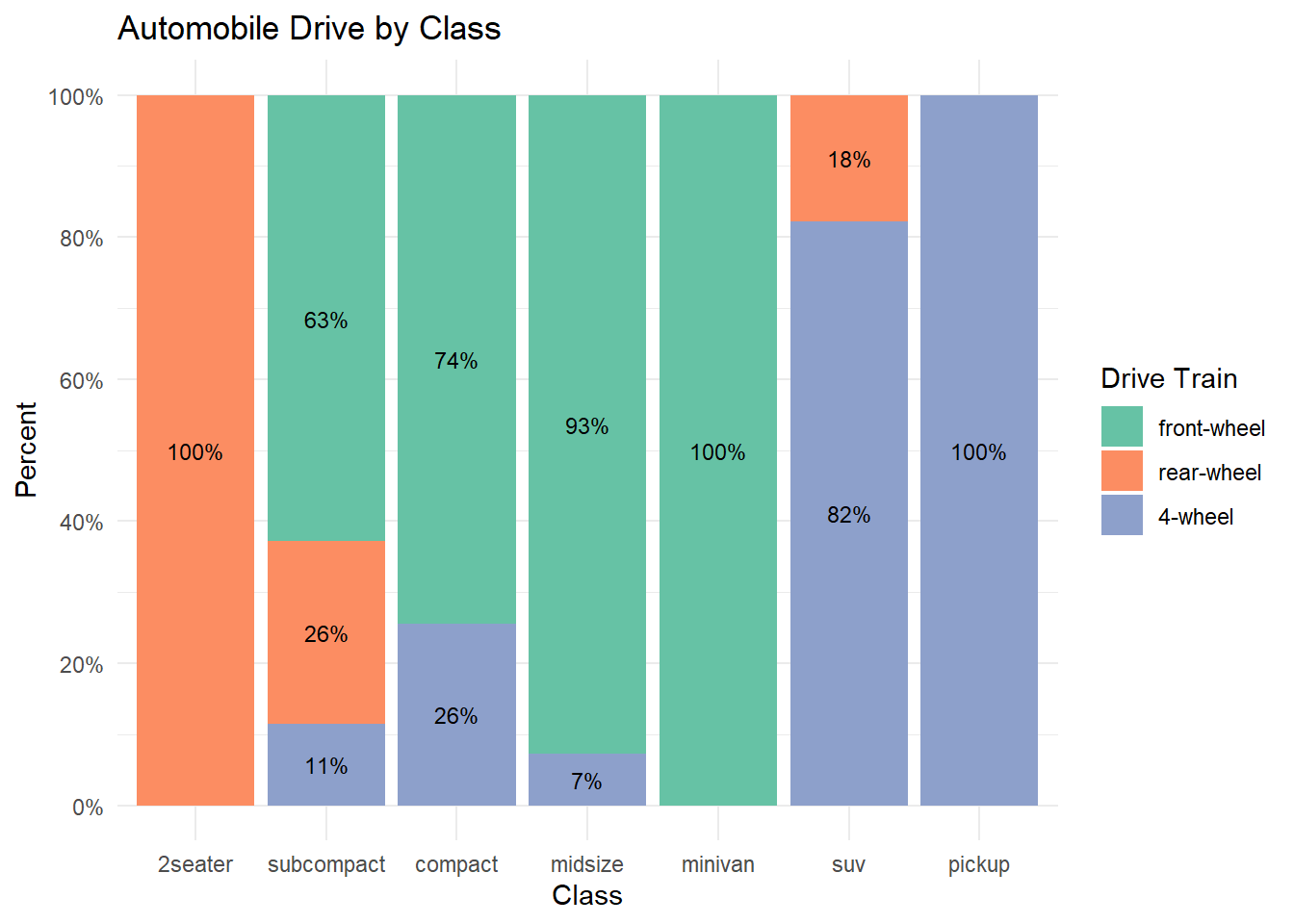
Data Visualization with R

Media Portfolio
Post a Comment for "44 r factor levels labels"