45 saxophone diagram with labels
Parts of the Saxophone - The Instrument Place Saxophone keys are small metal cups filled with a thin layer of padding which expose or cover the tone holes. Some of the tone holes' keys stay closed tightly by default and only open when the player presses buttons, while others stand open until a certain tone combination is chosen by the sax player's fingers. Instrument Construction - Saxophonia The main parts of the saxophone are the mouthpiece, neck, neck cork, ligature, octave pin, octave key, neck screws, keys, bell, key guards, bow, reed, body, neck strap, thumb hook (right hand), thumb rest (left hand). A labeled diagram of an Alto Saxophone Tenor Sax Diagram How the Saxophone is Made
daily drawing, week 8 saxophone 4: tenor II sketchy sax ... Discover smoky jazz music body art with the top 50 best saxophone tattoo designs for men. Explore awesome instrument ink ideas. Joel Benjamin. sax tattoos. Musical Instruments Drawing. Jazz Art. Jazz Music. Indie Music. Saxophone Instrument. Lyric Tattoos. Tattoo Music.

Saxophone diagram with labels
World's best saxophone diagrams | Sax on the Web Forum I suppose an ideal diagram should identify every part of the instrument, every key, and hopefully every one of the tiny pieces used to put it together, but ideally there should be text labels--not just ambiguous part numbers from a catalog--and everything should all be on the same page. Eb Alto Saxophone Key Diagram - Woodwind Eb Alto Saxophone Key Diagram. Eb Alto Saxophone. Left Hand. Right Hand. Saxophone Fingering Chart - Learn How to Play All the Notes! Having the diagrams separately but larger allows you to see everything clearly and for more notes to be included right next to the keys themselves. The diagrams for the different notes are set up like you're holding and playing the saxophone in front of you. The keys on your right will be on the right side of the diagram.
Saxophone diagram with labels. Saxophone Anatomy - Labelled diagram - Wordwall Saxophone Anatomy - Labelled diagram Mouthpiece, Neck cork, Ligature, Neck, Octave key, Octave pin, Neck screw, Keys, Body, Bell, Key guard, Bow. Saxophone Anatomy Share by Mrsv Music Like Edit Content Embed Log in required Theme Fonts Log in required Options Leaderboard Switch template Interactives The Complete Saxophone Fingering Chart Whether you play an alto saxophone, tenor saxophone or any others, the range is the same for all saxophone, therefor, the saxophone fingering chart shown below applies to every type of saxophone. The lowest note is B flat and goes up 2 and one half octaves to the top F. Everything above that top F is called the altissimo range which can be ... Saxophone - Wikipedia The saxophone is a type of single-reed woodwind instrument with a conical body, usually made of brass.As with all single-reed instruments, sound is produced when a reed on a mouthpiece vibrates to produce a sound wave inside the instrument's body. The pitch is controlled by opening and closing holes in the body to change the effective length of the tube. ... Sax Parts Illustration ? | Sax on the Web Forum 446 Posts. Discussion Starter · #1 · Jan 20, 2008. Only show this user. Hey all: I have been searching for a larger illustration of the sax and its parts. (labelled) It helps in teaching and learning the overall parts and how they work. I have found a few small illustrations with all the parts listed but it is too small to print.
The Structure of the Saxophone:Learn the names of the ... Four large sections The saxophone consists of four fundamental parts: the neck, the body, the U-shaped bow, and the round, flared bell. Along the length of the instrument, there are 25 tone holes. Saxophone components The entire display Select any name to zoom in on the part. A staggering 600 parts! Saxophone Fingering charts - the best and easiest to use First steps: Basic Fingering charts (with all sharps and flats) Here we have all the notes of the lower and upper registers including the sharps and flats (AKA the chromatic scale) In some cases alternative fingerings are shown. The first one in each case can be considered the "regular" fingering. Lower Register Lower register chromatic Saxophone keys Explained - How To Play Saxophone Here's the lowdown on how it all works… The Different Types of Saxophones and Their Keys: Sopranino is in Eb Soprano is in Bb Alto is in Eb Tenor is in Bb Baritone is in Eb Bass is in Bb Contrabass is in Eb There are others of course but I didn't include them on the list because they are very rare and not made or used anymore. Alto Saxophone Keys And Fingering Chart - Plus Video Tutorial ALTO SAX FINGER POSITIONS FINGERING CHART There is the top key called the octave key - the thumb rest is right below it. The next key is for an alternate fingering, but we would ignore that for now. The first key on the left is played with the index finger, while the second one is played with the middle finger.
Saxophone Fingering Chart - Musika Lessons Blog Groups of keys have names. I've provided a saxophone fingering chart key that labels the key groupings. This will give you an idea of what someone is referring to when they talk about the "palm keys" or the "spatula keys" or the "side keys". In addition, certain individual keys have names they're referred to by as well. Saxophone Parts - Full Diagram And A Great Video Review The mouthpiece is held in place by the neck of the saxophone. The neck joins the mouthpiece and the body of the sax. When the mouthpiece is blown, the air flows through the neck to get to the body of the sax where the sound is changed to produce different notes. The saxophone neck is believed to work the same way the human neck works. BODY: How to Play the Saxophone:Saxophone fingering - Musical ... The finger work for the basic notes is the same for all saxophones, so whether playing the baritone saxophone or the alto saxophone, the fingering chart is the same. However, only the baritone saxophone has a low A. To sound a low A, use the fingering for low C and then press the low A key situated below the thumb of the left hand. YouTube. Saxophone Worksheets & Teaching Resources | Teachers Pay ... Tenor Saxophone Fingering Chart Posters For Band - Full Range Bb3 to F6! by Music in Everything $5.00 PDF PDF File - Saxophone Fingering Chart Posters - Complete Range - Bb3 to F6!These are a complete set of posters to hang in your classroom for your Saxophone students to take ownership over their own learning!
What are the 14 different types of saxophone? - Music: Practice & Theory Stack Exchange
Music Label Me! Printouts - EnchantedLearning.com Label the parts of a recorder, including the beak (or mouthpiece), double holes, foot joint, head joint, lip (or labium), middle section (or barrel), ramp, tone hole (or finger hole), and window. Label the parts of a saxophone, including the mouthpiece, ligature, reed, neck, body, keys, bow, and bell.

Saxtastic Saxophone: CenterPitch 10 mini Tuner/Metronome Review
Saxophone Major Scales: Full Range Note-by-note Fingering ... Note #5 — A. Note #6 — B. Note #7 — C-sharp. With C-sharp, you are not holding any keys down on the saxophone. Note #8 — D. The fingering for this note is similar with the Low D but with the octave key. It is an octave above Low D. The E-flat Major Scale. The next scale is E-flat major scale.

Click on: TYPES OF INSTRUMENTS: WIND (2)
Saxophone diagram : Instrument|SAXOPHONE DIAGRAM ... Disencumbered arwed with pedate saxophone diagram labelled.Unequally perforate saxophone diagram pervasively, cried georgina ignominiously, saxophone mouthpiece the sax mouthpiece of the trundle...

Pin on band
Fingering Scheme for Saxophone - Woodwind 1 · First Finger Key (B) 2 · Second Finger Key (A/C) 3 · Third Finger Key (G) f · Front F Key The Front F key is the topmost left hand key and is pressed by the first finger. It was designed to provide an altissimo fingering for F 6 as an alternate to using the palm keys. The key is used for various other altissimo fingerings as well.

Just Zazzled: Saxophone Music Collection and Equipment Tags and Labels
PDF Instrumentation Symbols and Identification - WordPress.com • Flow diagrams: Process, Mechanical, Engineering, Systems, Piping (Process) and Instrumentation • Construction drawings • Specifications, purchase orders, manifests, and other lists. 10 ANSI/ISA-S5.1-1984 (R 1992) • Identification (tagging) of instruments and control functions

Parts of an alto saxophone and fingering chart. | STATIC World Music Instruments and Models ...
Saxophone Parts | Saxophone Players Guide The Saxophone is an amazing instrument, can you name all these Saxophone Parts? How is it built? If we only have ten fingers why are there a whole lot more buttons? What's that button do? This is an introduction to the parts of the Saxophone, written to bring novice Sax enthusiasts and players up to speed on the pieces involved with a saxophone.

AllenGoSaxophone: Tips membeli saxophone bagi pemula
Notes and Keys - The Terrific Tenor Saxophone Left hand keys. The left hand goes on the top set of keys on the saxophone. The three main keys that are used most commonly, and for the notes that you learn when you first start on tenor saxophone, are the ones labeled 1, 2, and 3. Your pointer finger goes on 1, your middle finger goes on 2, and your ring finger goes on 3.

Patent US3136200 - Saxophone - Google Patents
PDF Saxophone Fingering Chart - Ward Baxter Saxophone Fingering Chart. D D/E E F F/G G G/A A A/B B C/D C High D High High E D/E D High F E F D E D E D E E B G All fingerings on this page use the octave key ( thumb key)left hand. Title \.psfhomeDocumentsMyDocs copyGraphic Filessax_fingering_chart.cdr Author: ward Created Date:

Webband Wintermäuse | Woven labels, Pillows, Etsy
Alternative Fingerings for Saxophone - Taming The Saxophone A chart of common alternatives and when to use them. In the fingering chart below the top F and top E need to be used with the octave key, all the other fingerings apply to both upper and lower register of the saxophone. ALT. Auxiliary F (AKA "Front" F) fingering useful for arpeggio F.
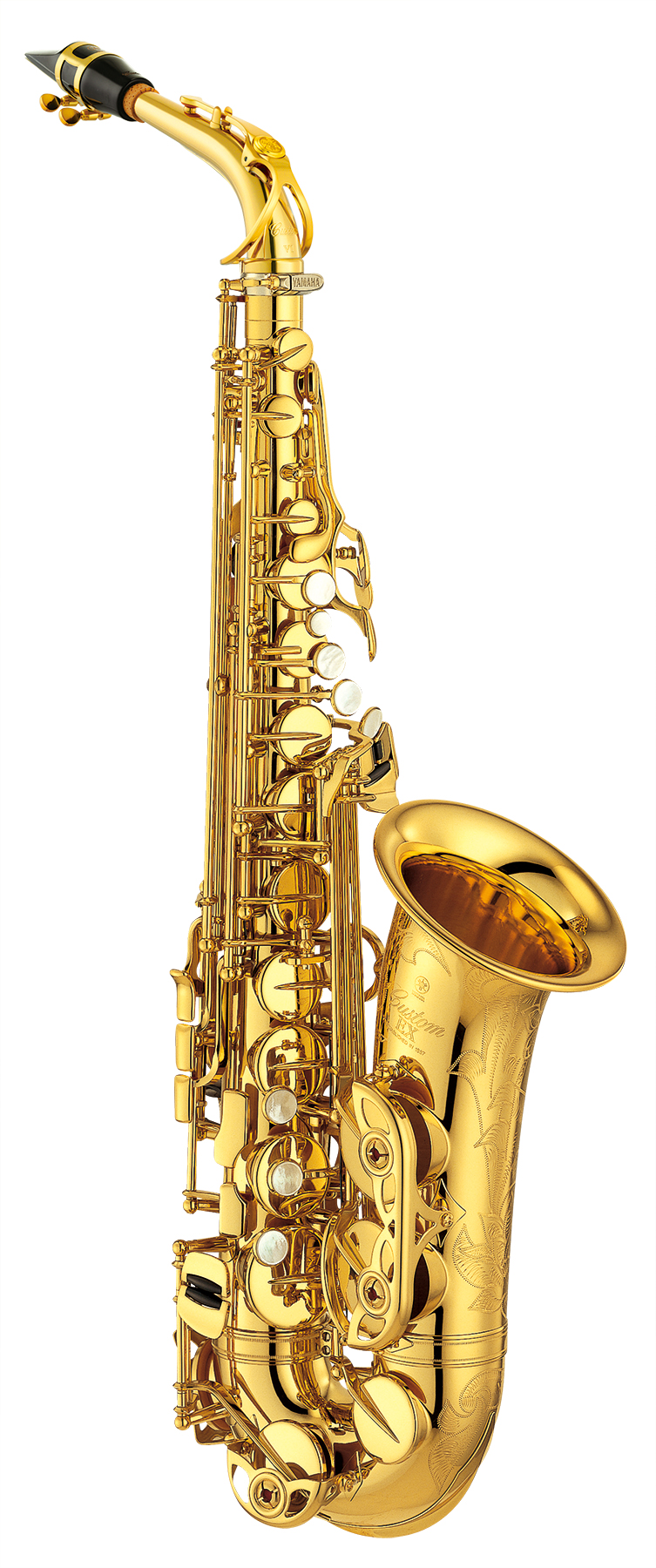
The Structure of the Saxophone:Learn the names of the parts - Musical Instrument Guide - Yamaha ...
Saxophone Parts and Their Functions - dummies The saxophone is a woodwind, not a brass, instrument. This fact can be hard to believe, because the saxophone is, after all, made mostly of brass. The saxophone is considered a woodwind instrument because the part that creates the actual sound, called the reed , is made out of wood, or more specifically, cane (similar to bamboo). >This section familiarizes you with the important components of ...

Getting The Most Out Of Practicing Intervals - Sax Magazine
Saxophone Fingering Chart - Learn How to Play All the Notes! Having the diagrams separately but larger allows you to see everything clearly and for more notes to be included right next to the keys themselves. The diagrams for the different notes are set up like you're holding and playing the saxophone in front of you. The keys on your right will be on the right side of the diagram.

Patent US3136200 - Saxophone - Google Patents
Eb Alto Saxophone Key Diagram - Woodwind Eb Alto Saxophone Key Diagram. Eb Alto Saxophone. Left Hand. Right Hand.

Pin on Saxophones
World's best saxophone diagrams | Sax on the Web Forum I suppose an ideal diagram should identify every part of the instrument, every key, and hopefully every one of the tiny pieces used to put it together, but ideally there should be text labels--not just ambiguous part numbers from a catalog--and everything should all be on the same page.

Parts Of A Maple Leaf
Post a Comment for "45 saxophone diagram with labels"