41 understanding food labels canada
Reading and Understanding Food Labels in Canada - GFIT Wellness In this blog post we will explain how to read food labels so that you can differentiate between mislabeled junk and truly healthy foods. Step 1: Look at the serving size The serving size is at the top of the Nutrition Facts table. All the information in the Nutrition Facts table is based on this amount. Nutrition Labelling Online Course - Canada.ca Completing this course will increase your understanding of the latest nutrition labelling information. Further, if your work involves nutrition education, you can use this updated information to share with Canadians. Course topics include: Food labelling in Canada Nutrition facts table Serving size % daily value List of ingredients Nutrition claims
About food labels - Canada.ca By law, most packaged food must be labelled with: a nutrition facts table, which gives you information on: serving size. calories. nutrients. percent daily values (% DV) an ingredient list, which lists all the ingredients in a food by weight. this begins with the ingredient that weighs the most and ends with the ingredient that weighs the least.

Understanding food labels canada
Reading food labels - Food Allergy Canada Read the label before serving a food even if it has been "safe" in the past. Read ingredient lists carefully from start to finish. Food companies do not have to make allergens stand out in any way (e.g. bolding, italicizing, or underlining the print). Do not buy a packaged food product that does not have an ingredient label. Health Canada answers your questions about food labels, allergens and ... Health Canada answers your questions about food labels, allergens and more. October 25, 2016. Always read labels. If you have food allergies, you may know that Health Canada plays a role in food labelling, inspection and enforcement. Over the years, Food Allergy Canada has been in contact with Health Canada and has provided feedback on positive ... Guidelines for "Product of Canada" and "Made in Canada" claims When a food is made with ingredients that are all sourced from outside of Canada, the label would state "Made in Canada from imported ingredients". For example, a cookie manufactured in Canada from imported flour, oatmeal, shortening and sugar may be labelled or advertised with the claim "Made in Canada from imported ingredients".
Understanding food labels canada. How To Read & Understand Canadian Food Nutrition Labels Below is an outline for how to read these labels in stages and what to look for at each stage: 1. Serving Size - This is often overlooked, but worth noting. Something could appear great, but you might need to multiply all the nutrition facts by 2 or 3 for the actual amount you plan to eat. 2. Understanding food labels - Canada.ca Understanding food labels - Canada.ca Understanding food labels Food labels, nutrition facts tables, serving size, ingredients, % daily value, nutrition claims. Services and information Nutrition facts tables How to use, what is in them, foods that don't have a nutrition facts table. Serving size How to Read Nutrition Labels Like a Pro - MSN When it comes to learning how to read nutrition labels, the first place to look is the serving size. Located directly under the "Nutrition Facts" title at the top of the list, it displays the ... Food labels - Canada.ca Documents for industry that outline rules for specific labelling requirements. Understanding food labels About nutrition facts tables, serving size, the list of ingredients, percent daily value and nutrition claims. Food label requirements Industry Labelling Tool for Canadian food inspectors and stakeholders. Shopping for Canadian food
Nutrition Labelling - Unlock Food Manufactured canned foods like sauces, beans, lentils, pastas, tuna, vegetables and fruits are pantry staples. Canned and jarred items have long shelf lives, but food safety rules still apply. Read on to learn more about keeping foods safe on your kitchen shelves. Understanding Food Labels in Canada Nutrition claims - Canada.ca There are two types of nutrition claims on foods: nutrient content claims and health claims. These claims must also follow certain rules from Health Canada to make sure that they are consistent and not misleading. These claims are optional and may be found on some food products. Nutrient content claims describe the amount of a nutrient in a food. Most Canadians don't understand food nutrition labels According to Statistics Canada, half of women and about seven in 10 men in Canada consume more calories than needed and as many as 25 percent have fat intakes above the recommended value. The truth is, even when Canadians want to make healthier choices, many don't know how to begin. And our food labels don't help. Understanding a food label - Food Labelling in Canada (Mobile) DATE MARKING. "Product of Canada" and "Made in Canada" claims have specific guidelines that must be met in order for companies to use the claim. A "Product of Canada" label means that all, or virtually all (generally 98 per cent), of the food, processing and labour used to make the food is Canadian.
Understanding Food Labels in Canada Understanding Food Labels in Canada Nutrition labelling became mandatory in Canada in 2007 on all prepackaged foods. Since then, nutrition and ingredient information has been listed on the food label. They have been designed to be easy to find, simple to read and to allow Canadians to make informed food choices. What information is on a food label? PDF Understanding Food Label Regulations USA, Canada, EU, UK and China paper uses is taken from the EU Food Information Law: "any tag, brand, mark, pictorial or other descriptive matter or symbol relating to a food and placed on any packaging, document, notice label, ring or collar accompanying or referring to such food" (Regulation [EU] 1169/2011, p. 16). In other words, "label" can refer to any printed material on a Nutritional Facts Table - Food Labels Canada Another tool that consumers can use is to look for the Food Labels Canada Verified Label mark on products which indicates that the information conforms to the mandated government standards. Eating right The Eat Well plate helps you follow Canada's food guide when planning and serving meals. Use food labels - Canada's Food Guide Food labels provide information you can use to make informed choices about foods and drinks at the grocery store and at home. Food labels can help you: compare and choose products more easily know what ingredients a food product contains choose products with a little or a lot of the nutrients that are of interest to you Changes to food labels
Food labelling for consumers - Canadian Food Inspection Agency The CFIA enforces Canada's allergen labelling laws and works with associations, distributors, food manufacturers and importers to ensure complete and appropriate allergen labelling of all foods. A set of guidelines was developed for the labelling of novel foods derived from genetic engineering, based on consultations in Canada since 1993.

Easy to Use Nutrition Label Application for Canada The label must include the serving size, calories, % Daily Value and 13 core nutrients (fat, saturated fat, trans fat, cholesterol, sodium, carbohydrate, fibre, sugars, protein, vitamin A, vitamin C, calcium and iron). The food label format is consistent across all food products to enable customers to easily compare different food items.

eBook: Canada's New Food Labelling Regulations | ESHA Research
Understanding a food label - Food Labelling in Canada(Flash) Understanding a food label - Food Labelling in Canada (Flash) Close Flash and return to text version.

Weighty Matters: The Canadian Food Inspection Agency Asks For Examples of Deceptive Food Labels
Understanding a food label - Canadian Food Inspection Agency Certain elements of food labels are mandatory on most packaged food products and must follow specific rules. These key labelling elements are: the Nutrition Facts Table, list of ingredients, allergen statements - especially if you or someone you know has food allergies - and date marking information, such as best before dates. Nutrition Facts Table

Understanding food labels | Gouvernement du Québec Food labels are a good way to find out about the nutritional value of foods. They can help you make smart food choices. You will find valuable nutrition information on pre-packaged foods if you read their labels, namely: Nutrition facts table List of ingredients Nutrition claims Food product labelling is regulated by Health Canada.

The Freelance Portfolio Inc. | Time to Boogie with the Canadian Food Label Changes
Canadian nutrition labeling - Labelify Made for Canada Designed from the ground up to generate labels in compliance with the Food and Drug Act of Canada. Extensive label formats All the major label formats. In English, French, or both. Your recipes in the cloud Secure in the cloud with strong SSL encryption and frequent backups. Customizable Canadian nutritional labels

Canadian Food Inspection Agency - Canada.ca
Reading and understanding food labels - Human Kinetics Canada Food labels are not required on fresh meat, poultry, raw seafood, fresh fruit and vegetables, food prepared or processed in store, foods that contain very few nutrients (e.g., vinegar, spices), and alcoholic beverages, although you can find nutrient information for these foods on Health Canada's website.
Benefits of Buying Secondhand Clothes - Home & Family
Understanding Food Nutrition Labels | American Heart Association Remember that the information shown in the label is based on a diet of 2,000 calories a day. You may need less or more than 2,000 calories depending upon your age, gender, activity level, and whether you're trying to lose, gain or maintain your weight. When the Nutrition Facts label says a food contains "0 g" of trans fat, but includes ...

Health Canada: Understanding Food Labels - Lambton Public Health Lambton Public Health 160 Exmouth Street Point Edward, ON N7T 7Z6. Phone: 519-383-8331 Toll Free: 1-800-667-1839 Vaccine Call Centre: 226-254-8222

Paper Labels Stock Photo - Download Image Now - iStock
Guidelines for "Product of Canada" and "Made in Canada" claims When a food is made with ingredients that are all sourced from outside of Canada, the label would state "Made in Canada from imported ingredients". For example, a cookie manufactured in Canada from imported flour, oatmeal, shortening and sugar may be labelled or advertised with the claim "Made in Canada from imported ingredients".
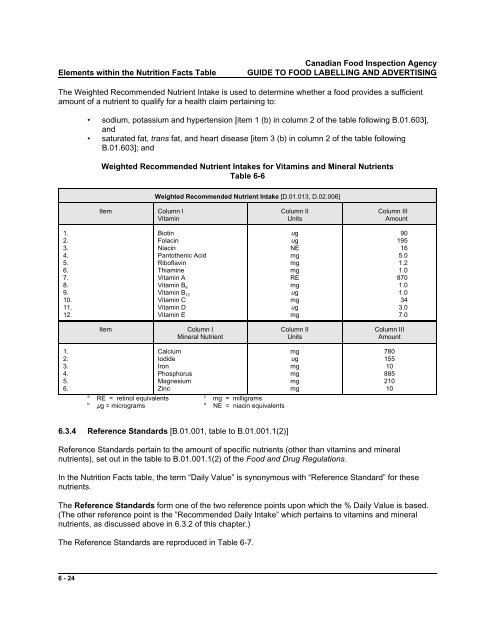
Canadian
Health Canada answers your questions about food labels, allergens and ... Health Canada answers your questions about food labels, allergens and more. October 25, 2016. Always read labels. If you have food allergies, you may know that Health Canada plays a role in food labelling, inspection and enforcement. Over the years, Food Allergy Canada has been in contact with Health Canada and has provided feedback on positive ...

Regular Cheerios Nutrition Label - Labels Ideas 2019
Reading food labels - Food Allergy Canada Read the label before serving a food even if it has been "safe" in the past. Read ingredient lists carefully from start to finish. Food companies do not have to make allergens stand out in any way (e.g. bolding, italicizing, or underlining the print). Do not buy a packaged food product that does not have an ingredient label.

New Health Canada campaign to explain food labels | Toronto Sun
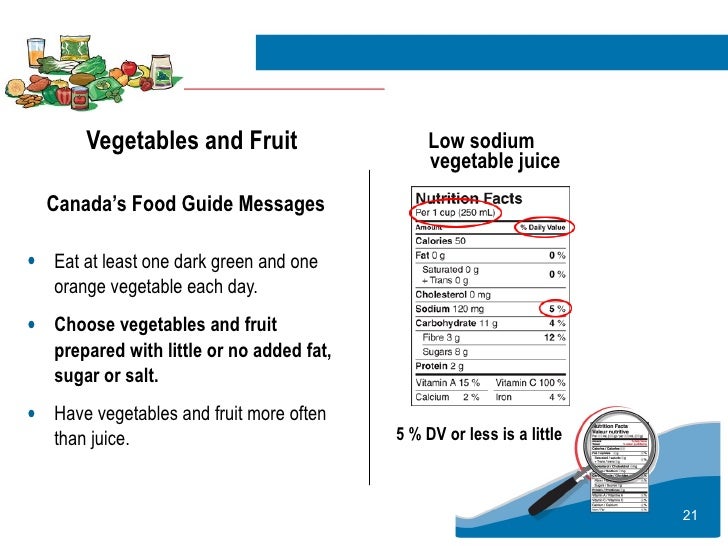
How To Read Food Labels

31 Food Label Canada - Labels Information List
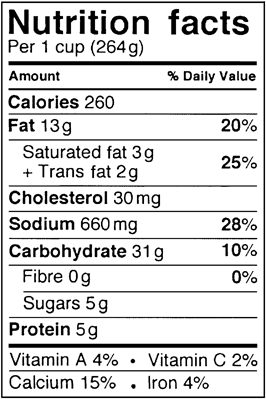
Nutrition Labelling and Marketing in Canada - Research Program for Nutrition Policy and ...
Post a Comment for "41 understanding food labels canada"