38 hiv and aids are different labels for the same disease
Is AIDS an Autoimmune Disease? - Healthline AIDS does not meet the criteria for an autoimmune disease. The emergence of an autoimmune disease causes your immune system to attack healthy cells. HIV affects your immune system in a different ... What Are HIV and AIDS? | HIV.gov A person with HIV is considered to have progressed to AIDS when: the number of their CD4 cells falls below 200 cells per cubic millimeter of blood (200 cells/mm3). (In someone with a healthy immune system, CD4 counts are between 500 and 1,600 cells/mm3.) OR they develop one or more opportunistic infections regardless of their CD4 count.
HIV vs. AIDS: What's the Difference? - Healthline While HIV is a virus that may cause an infection, AIDS (which is short for acquired immunodeficiency syndrome) is a condition. Contracting HIV can lead to the development of AIDS. AIDS,...
Hiv and aids are different labels for the same disease
HIV and AIDS: The Basics | NIH - National Institutes of Health The abbreviation "HIV" can refer to the virus or to HIV infection. AIDS stands for acquired immunodeficiency syndrome. AIDS is the most advanced stage of HIV infection. HIV attacks and destroys the infection-fighting CD4 cells ( CD4 T lymphocyte) of the immune system. The loss of CD4 cells makes it difficult for the body to fight off ... How HIV And AIDS Are Different - And What Filipinos Should Know How HIV And AIDS Are Different - And What Filipinos Should Know - Medical Trends Now HIV is a virus that attacks the immune system, while AIDS is a disease caused by the immune system attacking healthy tissue in the body. HIV is slowly progressive and often fatal, while AIDS can be life-threatening but generally more manageable. HIV and AIDS: How is AIDS Different from HIV? Even though people may talk about HIV and AIDS like they are one and the same, they are not the same thing. HIV is the virus that infects a person. AIDS is the disease that later develops in people with HIV. Today, drugs make it possible for people with HIV infection to live a very long time before ever getting AIDS. How long you have the HIV ...
Hiv and aids are different labels for the same disease. AIDS vs. Autoimmune Diseases - Verywell Health AIDS and autoimmune diseases both affect the immune system, though in two different ways: 6. AIDS, which is an acquired immune deficiency disorder, is caused by HIV and weakens a person's immune system. Autoimmune diseases, on the other hand, are when a person's own immune system turns against them, attacking healthy cells. What's the Difference Between HIV & AIDS? Statistics, Resources ... However, HIV and AIDS are very different: HIV infects humans and weakens the immune system, compromising the body's ability to fight off bacteria, viruses, and other agents that cause disease. AIDS is the disease that results from HIV, severely compromising a person's immune system. Off-Label Use | NIH - HIV.gov Off-Label Use. The legal, prescribed use of a drug in a manner different from that described on the Food and Drug Administration (FDA)-approved drug label. Off-label use can include using a drug for a different disease or medical condition or giving a drug at a different dose or via a different route of administration than approved by FDA. What's the Difference Between HIV & AIDS? | Accolades The biggest difference between HIV and AIDS is that HIV is a virus that infects the body and compromises its ability to fight off other diseases, while AIDS is the final stage of an HIV infection in which the person's immune system is so compromised by HIV that opportunistic infections and diseases occur.
Difference Between AIDS and HIV - A Detailed Overview - BYJUS Human Immunodeficiency Virus (HIV) is the causal factor (reason) for AIDS. Complications and secondary infections from this disease kill the host. The virus is incapable of killing a host by itself. AIDS is a condition acquired only after the contraction of HIV. HIV is a virus and like other viruses, can spread from person to person. Solved 2. HIV and AIDS are different labels for the same - Chegg Expert Answer. 100% (2 ratings) 2. HIV and AIDS are different labels for the same dis …. View the full answer. Transcribed image text: 2. HIV and AIDS are different labels for the same disease. O true ő false SUBMIT. People's perceptions of HIV/AIDS as portrayed by their labels of the ... Human immunodeficiency virus/acquired immunodeficiency syndrome (HIV/AIDS) has been no exception to this practice. In Botswana most of these labels are either in Setswana or English whereby an Eglish expression is simply adopted and used to refer to HIV/ AIDS. The Difference Between HIV and AIDS - Regency Medical Centre While the difference between HIV and AIDS is a matter of progression of the disease, the treatment for both these conditions depends entirely upon the very same factor, progression. It is important to understand that HIV does not always progress to stage 3. HIV is a virus, as we discussed, and AIDS is the condition this virus may cause.
Is Herpes and HIV Same? - Differences, Symptoms, Testing and More - Differences, Symptoms, Testing and Much More People often get confused when they hear Human Immuno Deficiency Virus (HIV) and Herpes Simplex Virus (HSV) assume they are the same disease pronounced differently. However, that is not the case. HIV and Herpes are completely different types of diseases that even have their own causing agents. chapter 10 developmental psyc Flashcards | Quizlet HIV and AIDS are different labels for the same disease. false HIV is the virus that causes AIDS. AIDS is an advanced stage of HIV infection in which the immune system is extremely compromised making the patient very vulnerable to various infections. Adolescent egocentrism helps young people to focus on themselves and practice safe sex. false (Get Answer) - HIV and AIDS are different labels for the same disease ... Five cases of Pneumocystis carinii pneumonia (in Los Angeles, in 1981) signaled the beginning of the acquired immune deficiency syndrome (AIDS) epidemic caused by the human immunodeficiency virus (HIV). As the worldwide scope of the HIV/AIDS epidemic... Posted 11 months ago Recent Questions in Software Engineering Q: 1. What is the Difference Between HIV and AIDS? - Verywell Health AIDS is the most advanced stage of HIV infection. It occurs when the virus severely compromises the body's immune defenses, leaving the body vulnerable to an ever-widening range of potentially life-threatening infections. AIDS is diagnosed either when a person's CD4 count drop below 200 or they get one of 27 different AIDS-defining conditions.
Timeline: AIDS moments to remember | CNN
HIV vs. AIDS: Differences and Progression - WebMD HIV: The Virus HIV stands for "human immunodeficiency virus." "Immunodeficiency" means the systems that fight illnesses in your body aren't working the way they should. Your immune system has...
FY 2022 NIH HIV/AIDS Professional Judgment Budget
HIV and AIDS: How is AIDS Different from HIV? Even though people may talk about HIV and AIDS like they are one and the same, they are not the same thing. HIV is the virus that infects a person. AIDS is the disease that later develops in people with HIV. Today, drugs make it possible for people with HIV infection to live a very long time before ever getting AIDS. How long you have the HIV ...

Safety, adherence, and HIV-1 seroconversion among women using ...
How HIV And AIDS Are Different - And What Filipinos Should Know How HIV And AIDS Are Different - And What Filipinos Should Know - Medical Trends Now HIV is a virus that attacks the immune system, while AIDS is a disease caused by the immune system attacking healthy tissue in the body. HIV is slowly progressive and often fatal, while AIDS can be life-threatening but generally more manageable.
Full article: HIV and COVID-19: review of clinical course and ...
HIV and AIDS: The Basics | NIH - National Institutes of Health The abbreviation "HIV" can refer to the virus or to HIV infection. AIDS stands for acquired immunodeficiency syndrome. AIDS is the most advanced stage of HIV infection. HIV attacks and destroys the infection-fighting CD4 cells ( CD4 T lymphocyte) of the immune system. The loss of CD4 cells makes it difficult for the body to fight off ...
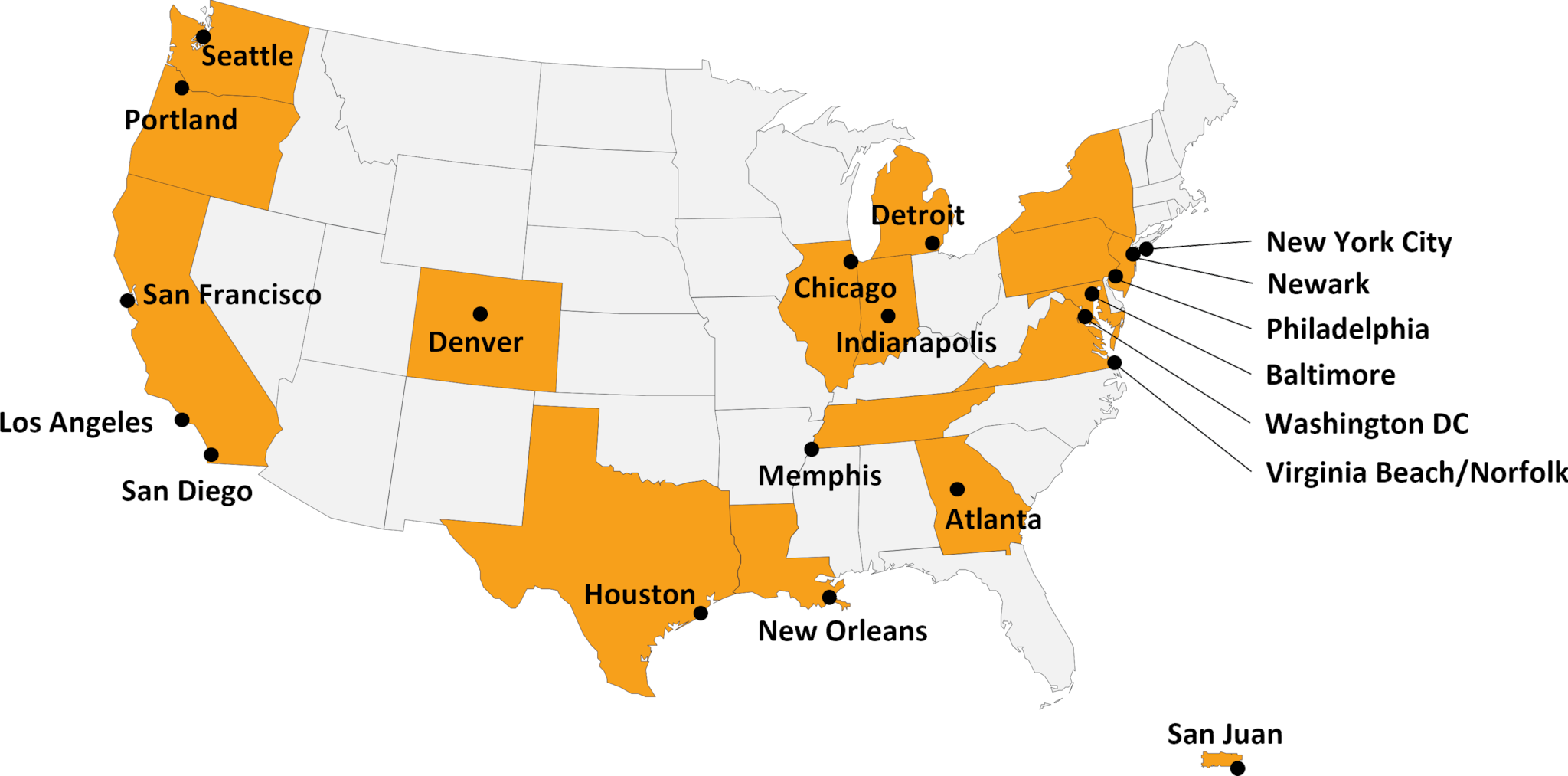
Project Areas | NHBS | Surveillance Systems | Statistics ...

HIV infection | Nature Reviews Disease Primers

Mortality in HIV and tuberculosis patients following ...
/Aids-and-autoimmune-diseases-5113376_final-f35eaa36335d4e4d8638ac86fdf16146.jpg)
AIDS vs. Autoimmune Diseases
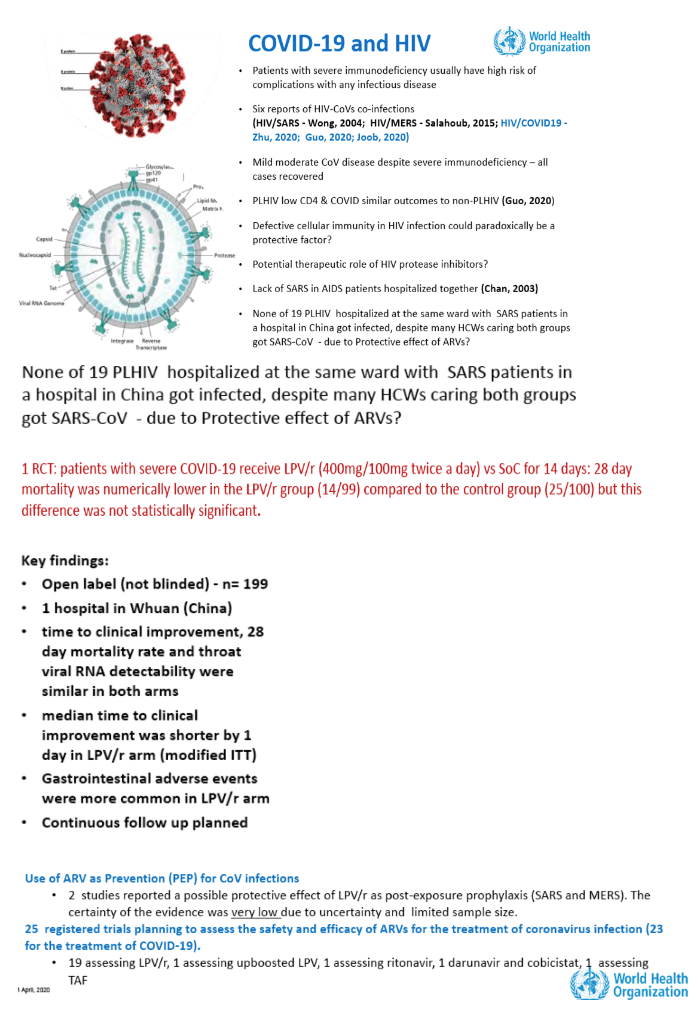
COVID & HIV+ China Report Preliminary Data, How do PLWH Fare?

Nurses at the frontline of public health emergency ...

The HIV–AIDS Pandemic at 25 — The Global Response | NEJM
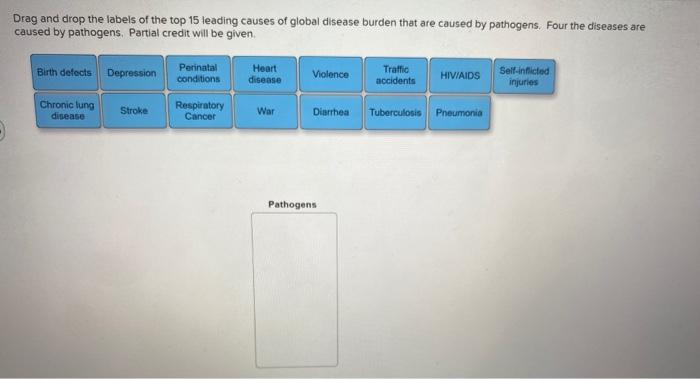
Solved Drag and drop the labels of the top 15 leading causes ...

Immunizations for Adults With HIV - AIDS Institute Clinical ...
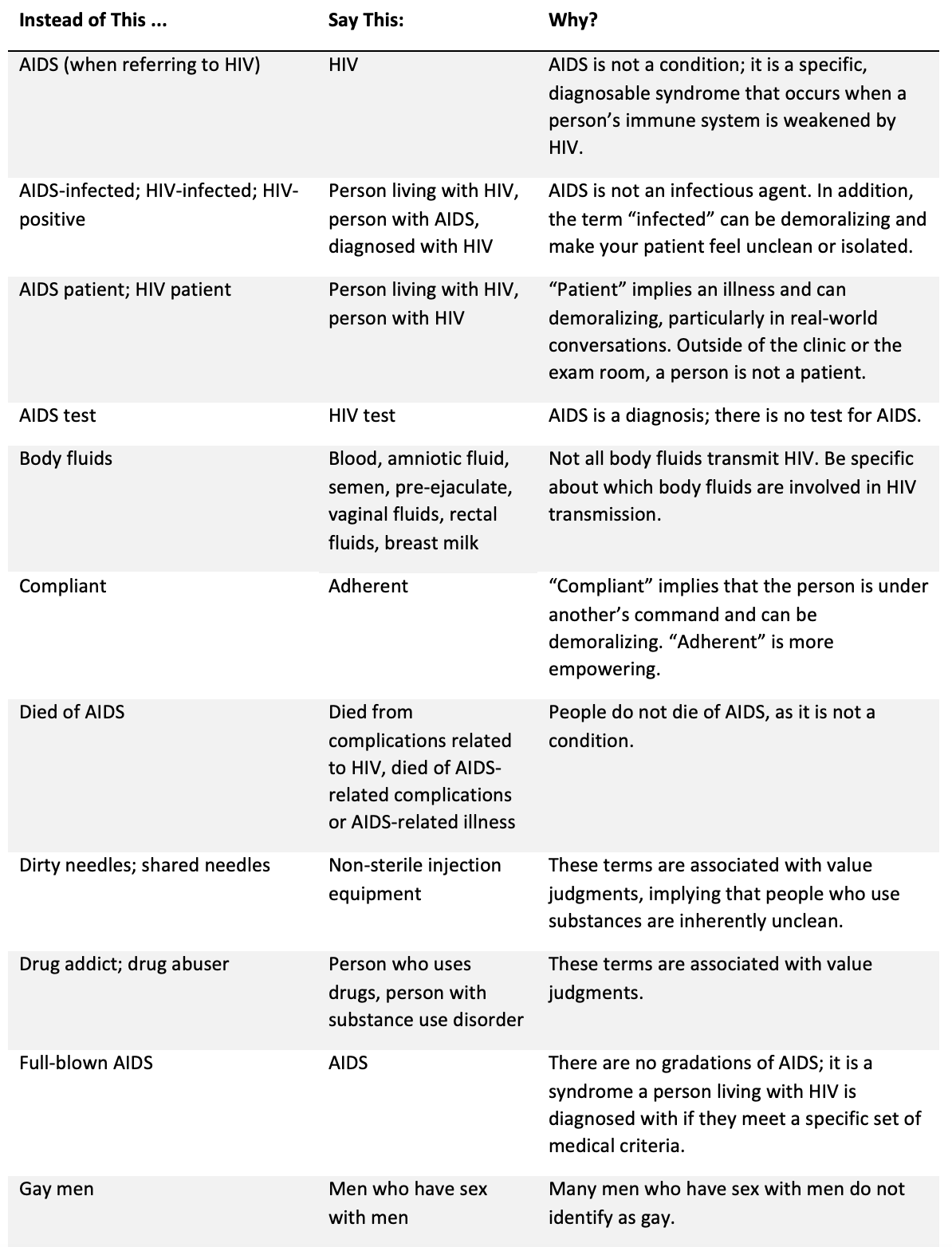
People-First Language in HIV Medicine: A Critical Component ...

Human Immunodeficiency Virus (HIV) Infection - Infectious ...

F.D.A. Approves Monthly Shots to Treat H.I.V. - The New York ...
/Aids-and-autoimmune-diseases-5113376_final-f35eaa36335d4e4d8638ac86fdf16146.jpg)
AIDS vs. Autoimmune Diseases

Core Concepts - Acute and Recent HIV Infection - Screening ...
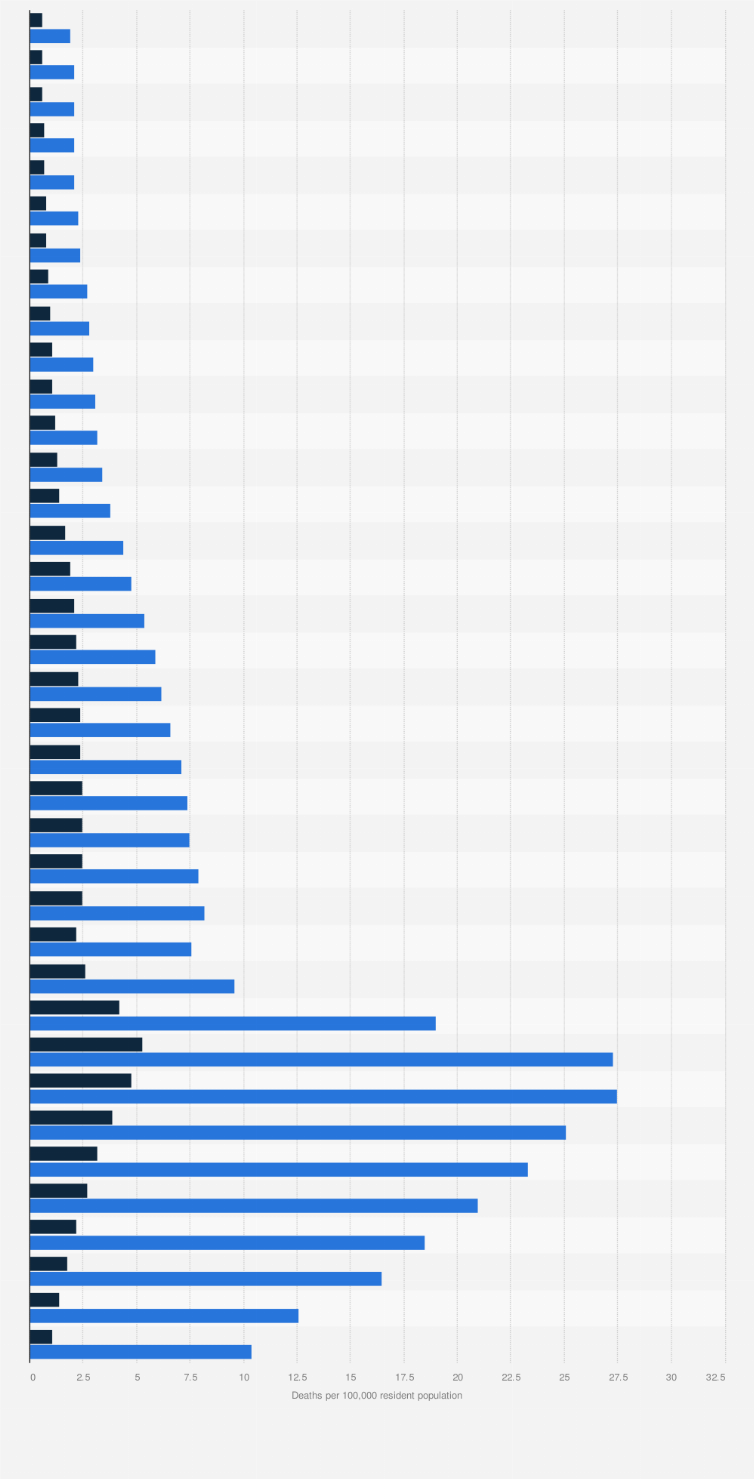
HIV death rate U.S. by gender 1987-2019 | Statista
Breakthrough treatment makes woman 3rd person to be cured of ...
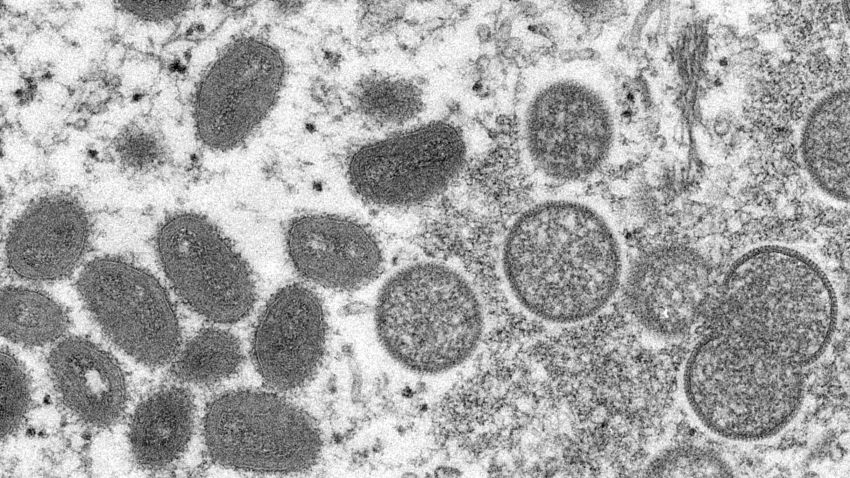
Monkeypox: Dr. Gupta explains how it spreads and what the symptoms are

Core Concepts - HIV in Infants and Children - Key Populations ...

HIV Clinic meets changes in disease and treatment for 28 ...
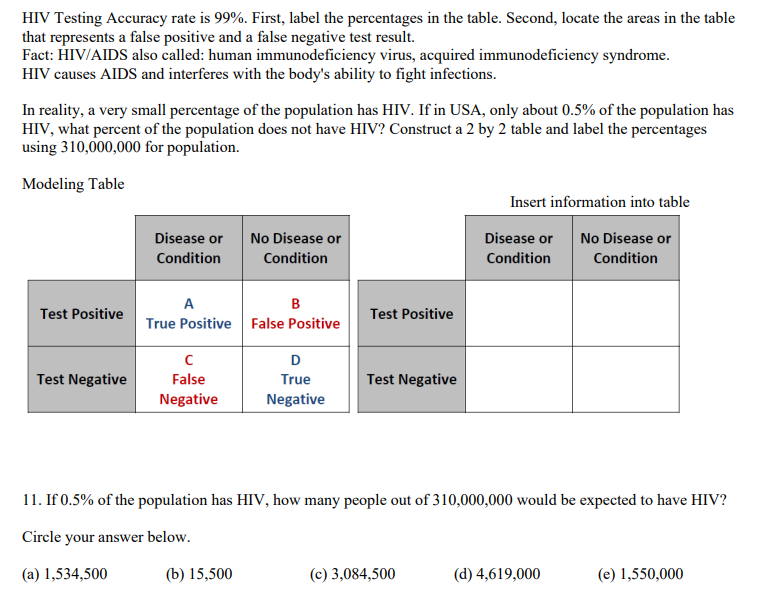
Solved HIV Testing Accuracy rate is 99%. First, label the ...
HIV/AIDS and the Eye - Prevent Blindness
Glossary of HIV/AIDS-Related Terms

13 AIDS (HIV Positive) Nursing Care Plans - Nurseslabs

Core Concepts - Antiretroviral Medications and Initial ...

HIV and AIDS: Medicines to Help You | FDA
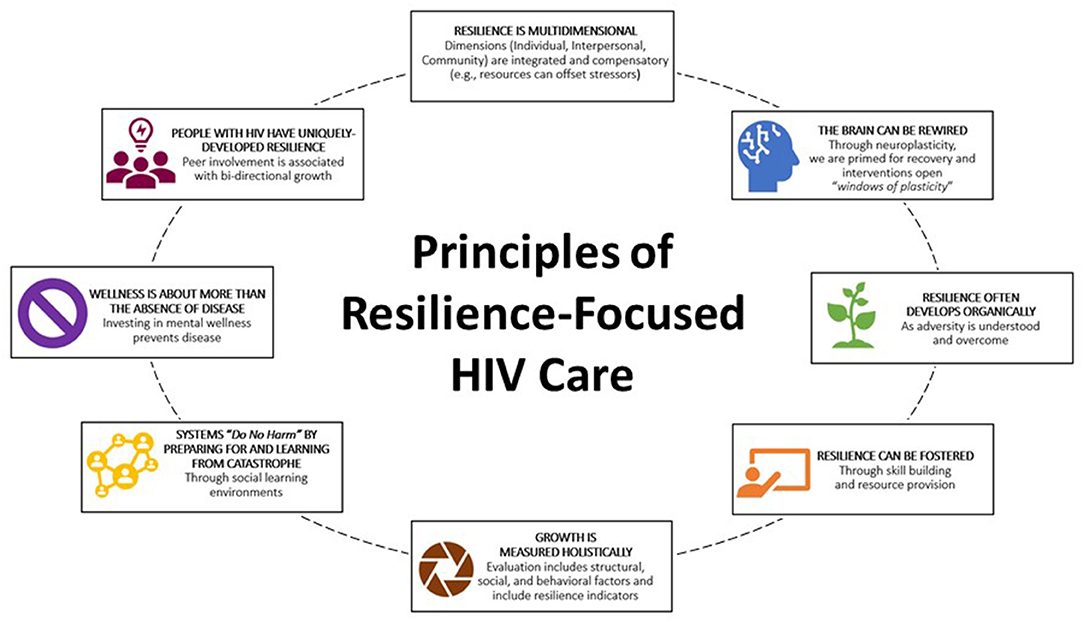
Frontiers | Resilience-Focused HIV Care to Promote ...
Glossary of HIV/AIDS-Related Terms
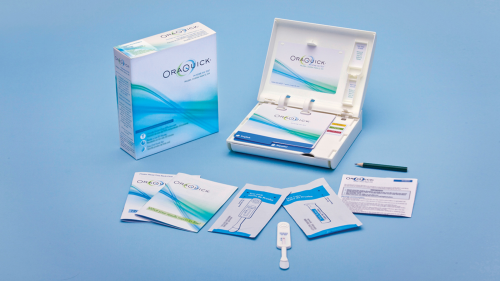
Facts About In-Home HIV Testing | FDA

Social, Clinical, and Behavioral Determinants of HIV ...
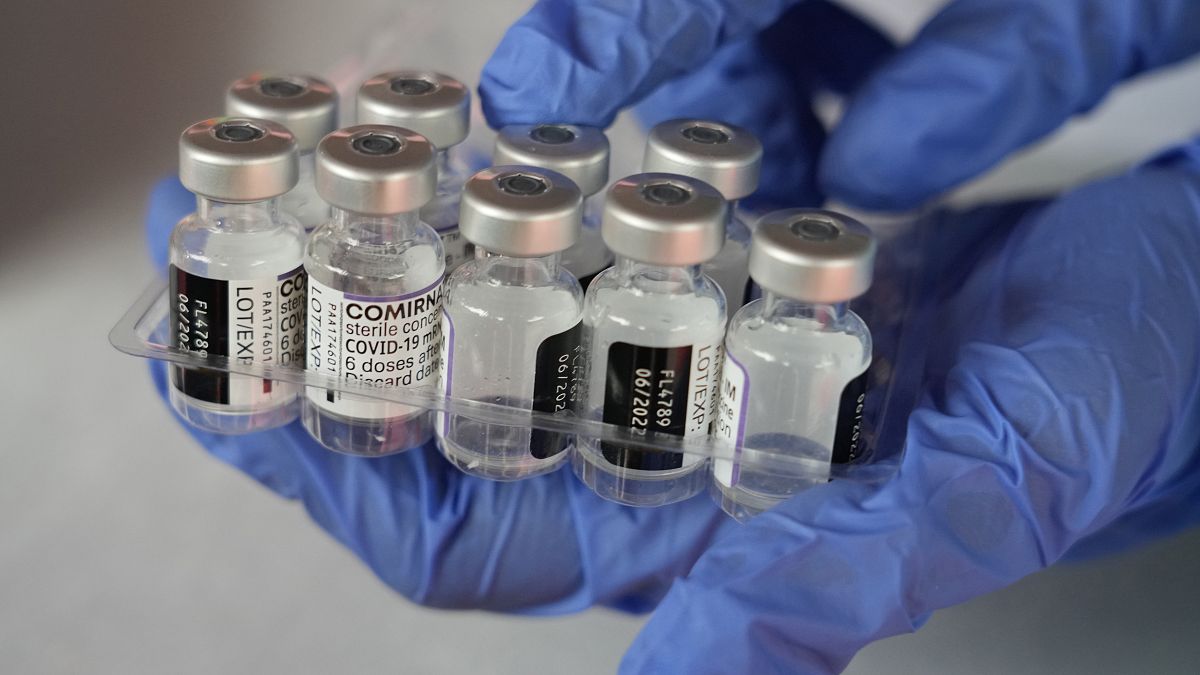
Debunked: COVID-19 vaccines do not create variants of HIV ...
What's the connection between high blood pressure and HIV ...

HIV & AIDS
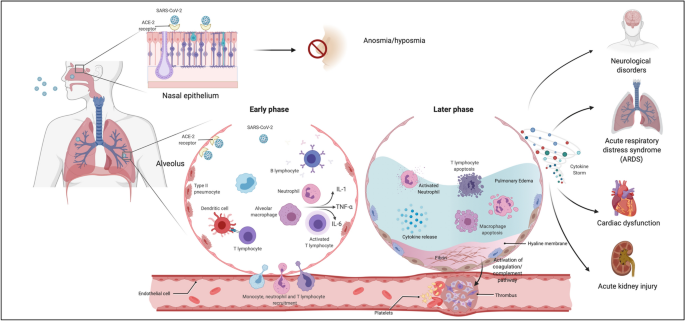
COVID-19 and HIV infection co-pandemics and their impact: a ...

File:Hiv-timecourse copy.svg - Wikipedia
Post a Comment for "38 hiv and aids are different labels for the same disease"